
Successfully Organizing Domestic Tourism Field Practice Programs for Semester 2 of the 2025–2026 Academic Year




To enhance application-oriented education and strengthen students’ professional competencies, from June 29 to July 11, 2026, the Tourism Department under the Faculty of Social Sciences and Humanities successfully organized five domestic tourism field practice programs for students majoring in Tourism during Semester 2 of the 2025–2026 academic year, as follows:
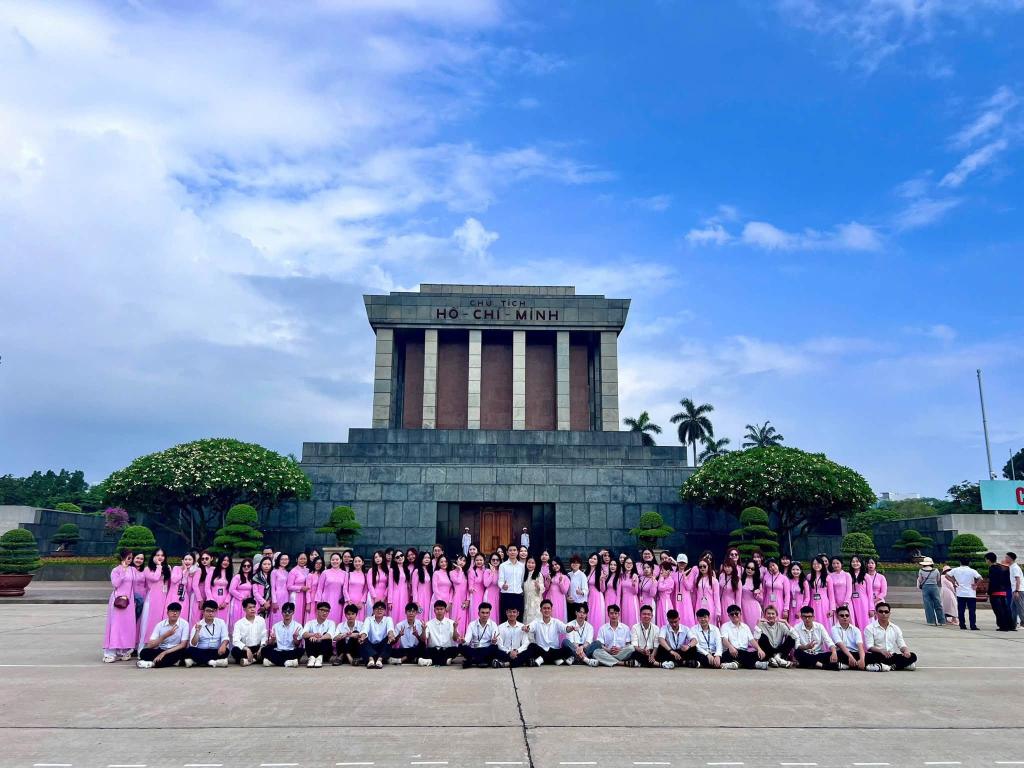
- Vietnam Tourism (305009) for students enrolled in the High-Quality Program and the English-Taught Bachelor's Program, following the Northern Heritage Route, conducted over 6 days and 5 nights (June 29–July 4, 2026), with 87 students participating.
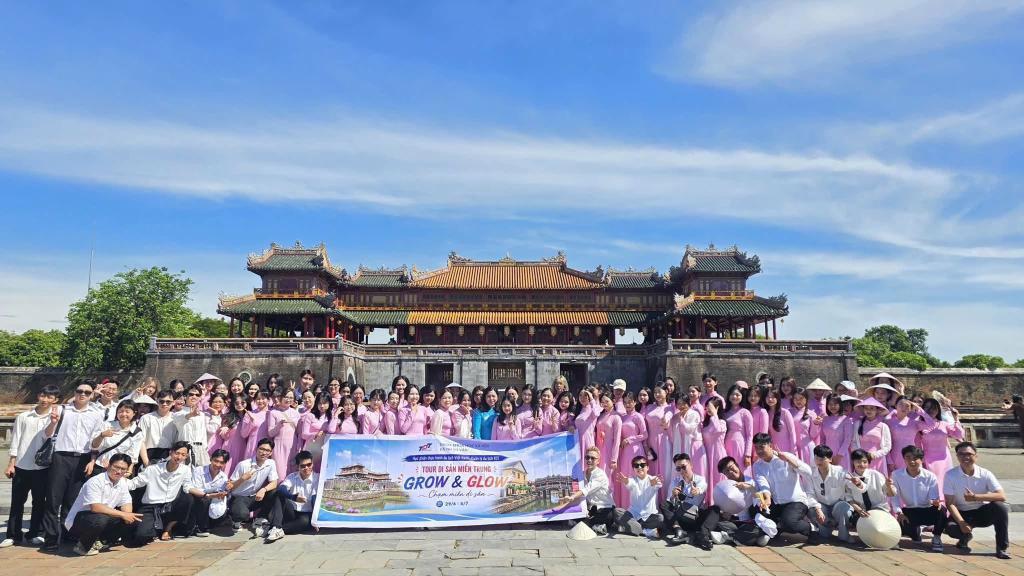
- Vietnam Tourism (305009) for students enrolled in the Standard Program, following the Central Heritage Route, conducted over 6 days and 5 nights (June 29–July 4, 2026), with 107 students participating.
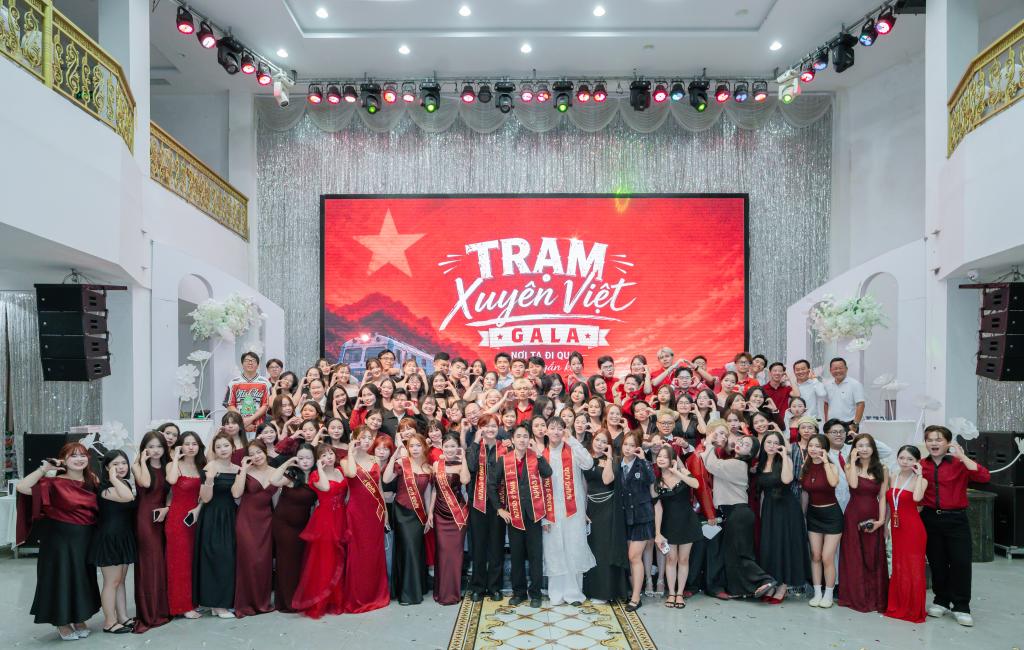
- Tourism Practice 2 (303121), featuring a Cross-Vietnam Study Tour, conducted over 10 days and 9 nights (June 30–July 9, 2026), with 99 students participating.
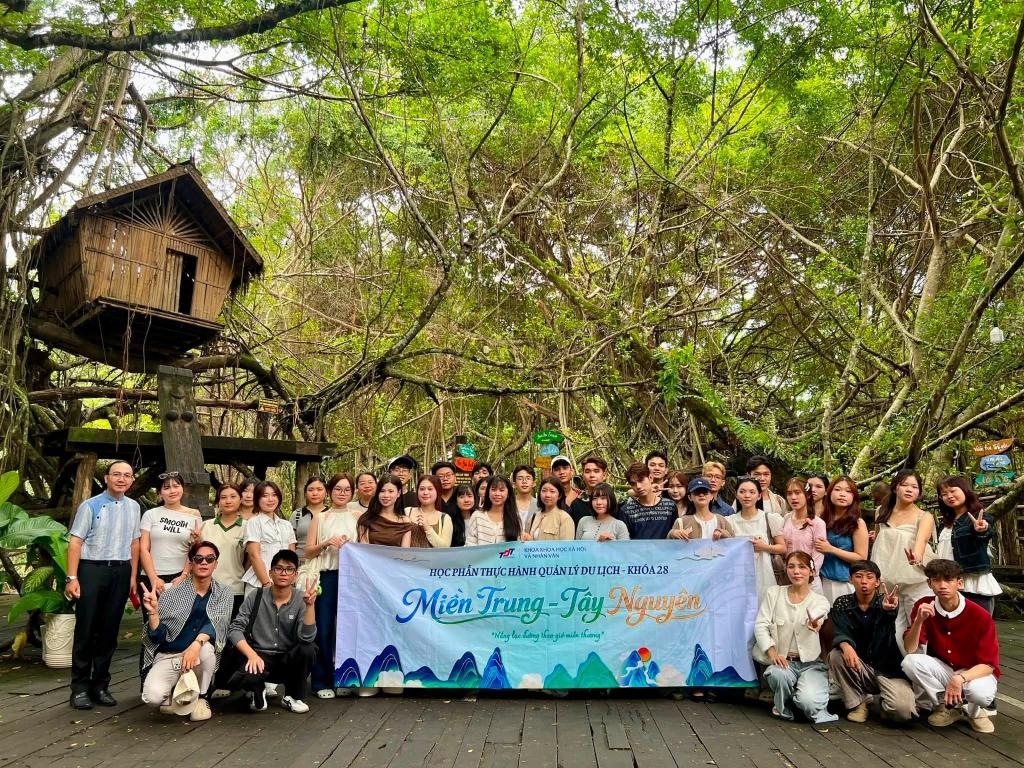
- Tourism Practice 1 (303120), following the Phan Rang – Central Highlands Route, conducted over 5 days and 4 nights (July 6–10, 2026), with 112 students participating.
- Tourism Management Practice (303122), following the Nha Trang – Central Highlands Route, conducted over 5 days and 4 nights (July 7–11, 2026), with 75 students participating.
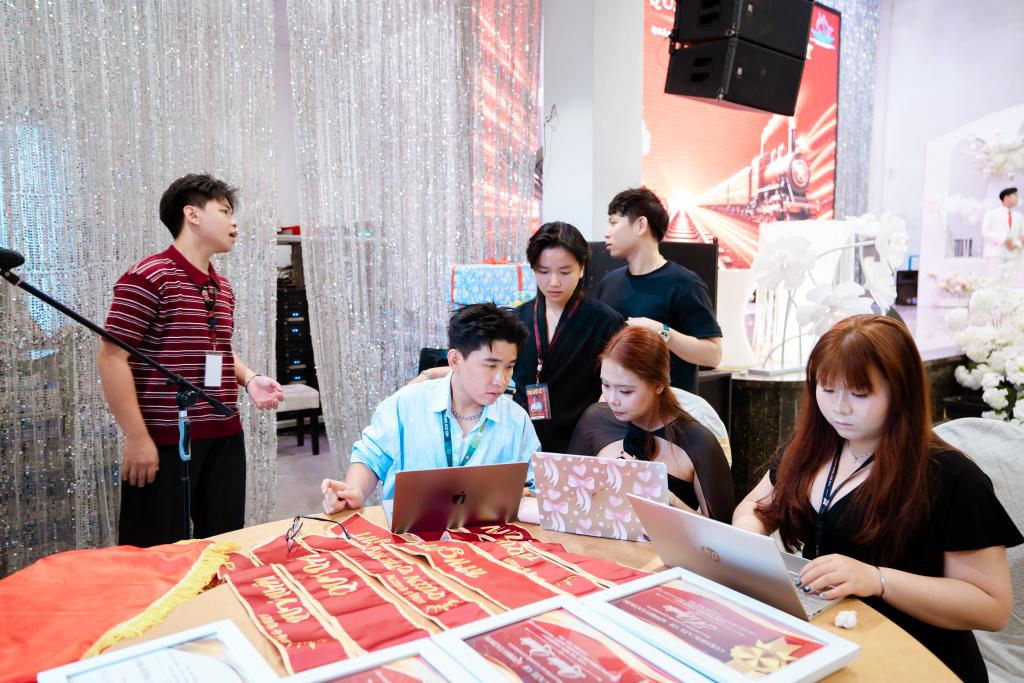
Prior to departure, students received comprehensive training in tourism knowledge and professional skills, teamwork, problem-solving, risk management, and safety regulations for field practice. To simulate the operational environment of a professional travel enterprise, students were assigned to functional teams, including operations, communications, and event management, and elected a student executive committee to coordinate pre-departure preparations. Under the guidance of faculty members, students directly participated in designing tour itineraries, developing operational plans, conducting procurement procedures, and selecting service providers, enabling them to gain first-hand experience with the operational processes of professional tourism programs.
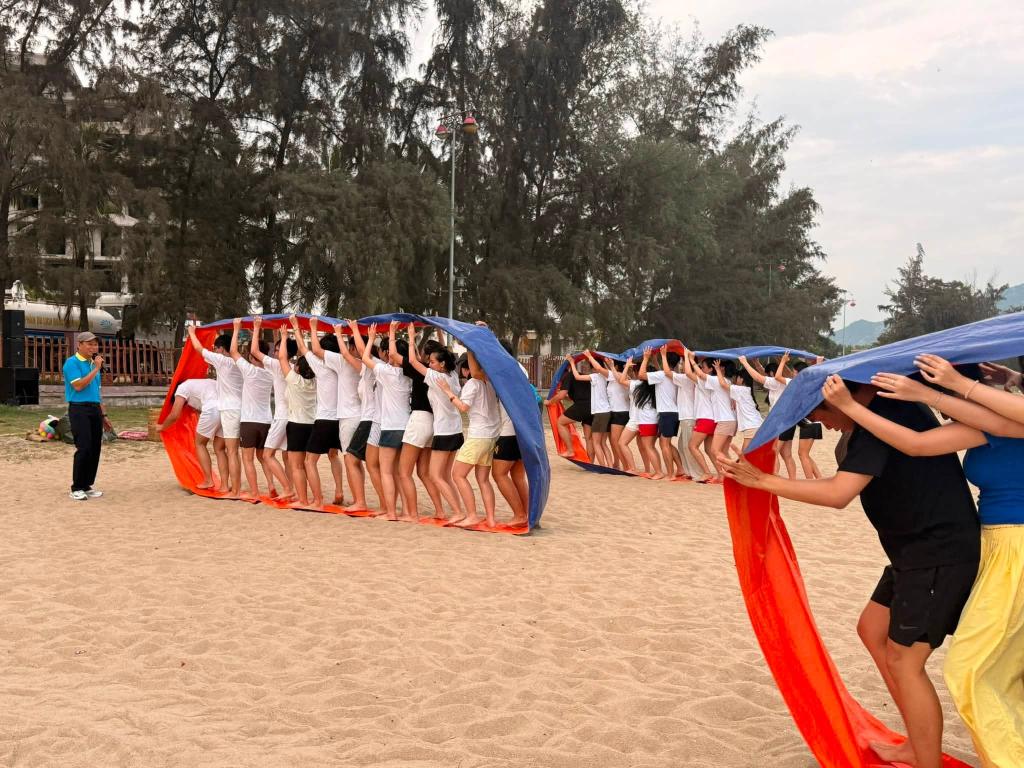
During the field practice, students not only visited and evaluated tourism destinations but also actively participated in the entire process of organizing and operating tours. Under the supervision of faculty members and professional tour guides from partner travel companies, students rotated through a variety of professional roles, including tour guide, tour operator, tour leader, logistics coordinator, event facilitator, time manager, and incident coordinator. They also conducted field assessments of tourism resources, evaluated service quality at accommodation establishments, restaurants, and tourist attractions, and examined the organizational structures, management practices, and service operations of tourism enterprises. This experiential learning approach enabled students to strengthen their professional competencies, enhance their managerial thinking, and develop effective problem-solving skills in authentic workplace settings.
Following the field practice, students completed the learning cycle by preparing field reports, evaluating program outcomes, and producing communication materials summarizing their experiences. This process provided opportunities for students to consolidate their knowledge, critically reflect on their practical experiences, and further develop their research, report writing, teamwork, and communication skills. Throughout the entire learning process, from preparation and implementation to reflection and evaluation, students not only reinforced their disciplinary knowledge but also cultivated professional working habits, strengthened their adaptability to professional environments, and enhanced their readiness to meet the demands of the tourism industry.
Highlights from the field practice programs:
- Log in to post comments